

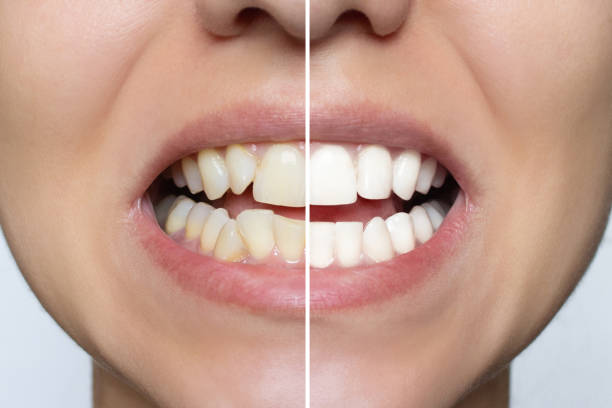
Small imperfections in your smile don’t always require extensive cosmetic work. Cosmetic bonding offers a conservative way to repair chips, close gaps, and reshape teeth without the commitment of veneers or orthodontics. This guide explains how composite bonding works and when it might be the right choice for your smile goals in Lewisburg.
Why Small Chips and Gaps Can Affect Your Smile More Than You Think
A chipped front tooth, uneven edges, or a small gap between your teeth can change how you feel in everyday situations. You might hesitate to smile in photos at local events or feel self-conscious during work presentations. These minor imperfections can affect how you present yourself, even if others barely notice them. Concerns like these are common topics in cosmetic dentistry in Lewisburg.
Many patients in Lewisburg assume their only options are veneers or braces. They worry about the cost, time, or tooth preparation these treatments require. Cosmetic bonding provides a middle ground for people who want aesthetic improvements without aggressive dental work.
The psychological impact of smile imperfections often outweighs their physical size. A small chip on your front tooth can make you cover your mouth when you laugh. A gap between your teeth can make you feel less professional in meetings or social gatherings around Union County.
Common Smile Concerns Cosmetic Bonding Can Address
Cosmetic bonding works well for specific aesthetic issues when your teeth and bite are otherwise healthy. Here are conditions where composite bonding typically delivers good results:
- Small chips on front teeth from accidents or grinding can be rebuilt with tooth-colored resin that blends naturally.
- Minor gaps between teeth can be closed by slightly widening adjacent teeth. This works best for small spaces.
- Uneven tooth edges from wear can be smoothed and reshaped to create a uniform smile line.
- Discoloration not responsive to whitening can be covered with composite resin matched to your tooth shade.
- Slight shape or length inconsistencies that make teeth appear too short or asymmetric can be corrected by adding material.
Bonding delivers the best results when your underlying tooth structure is sound, and your bite functions properly. Extensive decay, severe misalignment, or significant structural damage may require different treatments.
What Is Cosmetic Dental Bonding? A Conservative Cosmetic Dentistry Option
Cosmetic dental bonding uses tooth-colored composite resin applied directly to your natural teeth. A cosmetic dentist in Lewisburg, PA, sculpts the material to correct imperfections, then hardens it with a special curing light. The process preserves most or all of your natural tooth structure.
Unlike veneers that require removing a layer of enamel, bonding typically needs minimal tooth preparation. Your dentist may lightly roughen the surface to help the material adhere. This conservative approach means the procedure is often reversible if you choose a different treatment later.
Composite bonding sits within cosmetic dentistry as a flexible tool for smile improvements. It bridges the gap between simple whitening and more involved procedures like veneers or crowns. The treatment focuses on aesthetics while respecting your natural dental anatomy.
How Composite Bonding Works on Natural Teeth
The bonding process combines technical skill with artistic vision. Your cosmetic dentist follows specific steps to create natural-looking results that blend seamlessly with your smile.
- Tooth preparation starts with cleaning the surface and applying a mild etching solution. This creates tiny grooves that help the bonding material grip securely.
- Application of bonding material involves selecting composite resin matched to your tooth shade. Your dentist applies the putty-like material in layers.
- Artistic shaping and contouring sculpts the composite to match the curves and texture of your natural teeth.
- Hardening with curing light uses UV or LED light to solidify each layer. The light triggers a reaction that turns soft resin into durable material.
- Final polishing smooths the bonded surface to match your natural enamel. Your dentist checks your bite and makes final adjustments.
Cosmetic Bonding vs. Veneers: Understanding the Key Differences
Choosing between bonding and veneers depends on your specific situation, goals, and preferences. Both treatments improve smile aesthetics, but they work differently and suit different needs. Understanding these differences helps you make an informed decision with your cosmetic dentist.
When Cosmetic Bonding May Be the Right Choice
Bonding makes sense when you need minor corrections and want to preserve your natural tooth structure. The treatment offers practical advantages for certain situations and patient preferences.
- Minor cosmetic changes like fixing a small chip or closing a narrow gap don’t justify removing healthy enamel. Bonding addresses these issues while keeping your teeth intact.
- Reversible treatment options matter to patients who might want different cosmetic work later. Since bonding requires minimal enamel removal, you can pursue veneers or other options down the road.
- Budget and time considerations play a role in treatment decisions. Bonding typically costs less than veneers and can be completed in one appointment.
- Tooth structure preservation appeals to patients who value conservative dentistry. Keeping your natural enamel intact maintains long-term tooth health.
When Veneers or Other Cosmetic Treatments May Be Recommended
Some smile concerns exceed what bonding can realistically address. Your cosmetic dentist in Lewisburg, PA, might suggest alternatives when conditions call for more extensive treatment.
- Severe discoloration that penetrates deep into the tooth structure often shows through composite bonding. Porcelain veneers provide better coverage for heavily stained teeth.
- Significant alignment issues require orthodontic treatment or veneers that can mask moderate positioning problems. Bonding can’t shift teeth or correct substantial crowding.
- Worn or weakened enamel from grinding, acid erosion, or age needs protective coverage that bonding may not provide. Crowns or veneers shield damaged teeth while restoring appearance.
Treatment planning should be personalized to your unique situation. Your dentist evaluates your oral health, aesthetic goals, and practical considerations to recommend the approach that serves you best.
Benefits of Cosmetic Bonding for Lewisburg Patients
Patients in Lewisburg often choose cosmetic dental bonding for smile refinements because it fits into everyday life. The treatment allows noticeable improvements without long appointments or extended recovery time, making it practical for busy schedules.
Natural Results with Minimal Tooth Alteration
Composite bonding creates aesthetic improvements while respecting your natural dental anatomy. The conservative philosophy behind this treatment appeals to patients who want changes without unnecessary tooth preparation.
Modern composite materials come in numerous shades and translucencies. Your cosmetic dentist matches the resin to your existing teeth, creating seamless transitions. The bonded areas blend so well that most people can’t tell where your natural tooth ends and the composite begins.
Preserving tooth structure maintains the health and integrity of your teeth long-term. Less preparation means less sensitivity during and after treatment. Your teeth remain strong because you’re adding material rather than removing healthy enamel.
The procedure typically requires no anesthesia for small cosmetic corrections. You stay comfortable throughout the appointment without needles or numbness. The gentle nature of bonding makes it accessible for patients with dental anxiety.
Fast, Comfortable Cosmetic Improvements
Time matters when you’re balancing work, family, and community activities in Union County. Cosmetic bonding respects your schedule by delivering results quickly.
- Single-visit treatment means you can address smile concerns during one appointment. Most bonding procedures take 30 to 60 minutes per tooth.
- Little to no discomfort characterizes the bonding experience for most patients. The minimal preparation causes no pain, and you can return to normal activities immediately.
- No recovery time allows you to resume eating, drinking, and speaking right away. Your improved smile is ready to use as soon as you leave the office.
Bonding materials are durable but not indestructible. They can chip or stain over time, especially with hard use or poor maintenance. Realistic expectations about longevity help you get the most from your investment.
How Long Does Cosmetic Bonding Last and How Do You Care for It?
Understanding what to expect from bonded teeth helps you maintain your results and plan for future care. Longevity depends on several factors within your control.
Longevity and Everyday Wear
Composite bonding typically lasts several years with proper care and favorable conditions. The material withstands normal chewing and daily use, but certain habits affect how long it stays pristine.
- Biting habits impact bonding durability more than any other factor. Using your front teeth to open packages, bite fingernails, or crack nuts can chip the composite.
- Grinding and clenching wear down the bonding material faster than normal chewing. A custom nightguard protects both your natural teeth and bonded restorations if you grind at night.
- Diet choices affect staining and wear patterns. Coffee, tea, red wine, and dark berries can gradually discolor bonding material.
- Oral hygiene quality determines how well bonding holds up over time. Regular brushing and flossing keep your investment looking good.
Maintaining Bonded Teeth Over Time
Caring for cosmetic bonding requires the same good habits that protect your natural teeth. A few additional considerations help bonded restorations last as long as possible.
- Good brushing and flossing remove plaque and food debris that can stain composite material. Use a soft-bristled toothbrush and non-abrasive toothpaste.
- Avoid biting hard objects with bonded teeth whenever possible. Cut corn off the cob, slice apples into pieces, and skip chewing ice.
- Regular dental exams in Lewisburg allow your dentist to check bonding integrity and polish away surface stains. Professional cleanings keep bonded teeth looking fresh.
Touch-ups or replacements eventually become necessary as bonding ages. The material doesn’t last forever, but maintenance is straightforward. Many patients find the periodic upkeep worthwhile for the conservative nature of the treatment.
Cosmetic Bonding at a Trusted Lewisburg Dental Office
Choosing where to have cosmetic work done matters as much as choosing the treatment itself. Experience with aesthetic dentistry and a patient-focused approach make a difference in your results and experience.
Personalized Cosmetic Dentistry in Lewisburg, PA
Every smile is unique, and cookie-cutter approaches rarely deliver the best outcomes. Union Dental Health takes time to understand what bothers you about your smile and what you hope to achieve.
- Patient-focused consultations start with listening to your concerns and goals. Your cosmetic dentist examines your teeth, discusses options, and explains what each treatment can realistically accomplish.
- Cosmetic planning based on goals means recommendations are tailored to your preferences. Your treatment plan reflects your vision, timeline, and budget.
- Conservative treatment philosophy guides decisions toward preserving natural tooth structure whenever possible. Your dentist recommends the least aggressive option that meets your needs.
The combination of cosmetic expertise and modern technology available in Lewisburg means you don’t need to travel to larger cities for quality aesthetic dentistry. Comprehensive care under one roof makes the process convenient and comfortable.
Cosmetic Bonding FAQs
Does cosmetic bonding damage natural teeth?
Cosmetic bonding is one of the most conservative dental procedures available. The process requires minimal or no removal of healthy tooth structure. During cosmetic bonding in Lewisburg, the enamel is lightly etched so the composite material can adhere properly, but this does not weaken the tooth. In many cases, bonding helps reinforce chipped or worn areas.
Can bonding close gaps without braces or veneers?
Yes, bonding can close small to moderate gaps between teeth without orthodontics or veneers. Your cosmetic dentist applies composite resin to the sides of teeth adjacent to the gap, making them slightly wider. This works best when teeth are properly aligned and the space isn’t too large. Wider gaps or those caused by misalignment may need orthodontic treatment.
Is cosmetic bonding reversible?
Bonding is largely reversible because it preserves most of your natural tooth structure. Your dentist can remove the composite material without damaging the tooth underneath. This flexibility allows you to pursue different cosmetic options later. The minimal preparation means you’re not committed to any particular treatment long-term.
Will bonded teeth stain over time?
Composite bonding material can absorb stains from foods, drinks, and tobacco over time. Coffee, tea, red wine, and berries cause the most discoloration. Regular dental cleanings and good home care minimize staining. Your dentist can polish bonded teeth to remove surface stains. Avoiding staining substances keeps bonding looking fresh longer.
Explore Conservative Cosmetic Dentistry Options in Lewisburg
Cosmetic bonding offers a practical solution for common smile imperfections without the commitment of veneers or extensive dental work. The procedure preserves your natural teeth while delivering noticeable aesthetic improvements in a single visit.
If you’re bothered by chips, gaps, or uneven teeth, a consultation with a cosmetic dentist in Lewisburg, PA can clarify your options. Union Dental Health welcomes discussions about your smile goals and which treatments align with your needs. Schedule a visit to explore whether cosmetic bonding or another approach fits your situation best.