

Traditional dentures can slip during meals, rub against your gums, and pop loose when you speak or laugh. These problems reduce confidence and limit the foods you can enjoy. Many denture wearers avoid certain meals and feel self-conscious in social situations because their dentures don’t stay put.
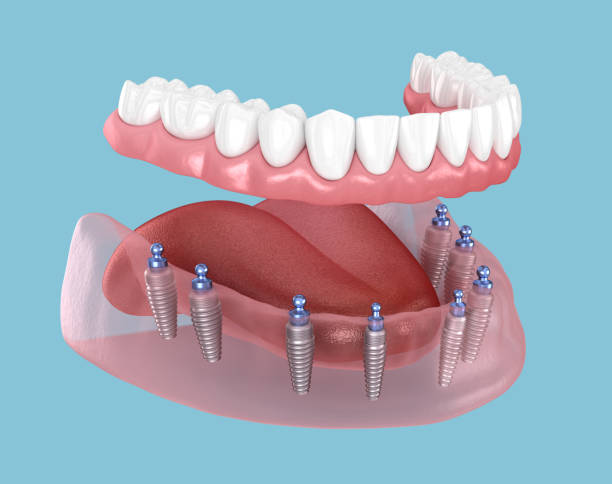
Implant-supported dentures offer a more stable solution. Also called implant-retained dentures, this option uses dental implants placed in your jawbone to anchor your denture securely. The result feels more natural and functions better than adhesives alone.
For patients in Lewisburg, PA, Union Dental Health offers implant-supported denture care in one familiar office setting. Your treatment may include evaluation, implant planning, and denture fitting, allowing you to work with the same dental team throughout the process. This coordinated approach helps make care more comfortable and consistent from start to finish.
If you’ve been struggling with loose dentures or relying on adhesives every day, implant dentistry may help you regain the confidence and chewing ability you’ve been missing.
Step One: Why Traditional Dentures Feel Unstable (and Why It Matters in Daily Life)
Traditional dentures rest on your gums and rely on suction or adhesives to stay in place. Over time, your gums and jawbone naturally change shape, which affects how well a denture fits. Many denture wearers in Lewisburg, PA notice this gradual change, especially with lower dentures. Because lower dentures have less surface area for support, they are more likely to shift with normal tongue movement, which is why some patients begin exploring implant dentistry for denture support. Slipping, clicking sounds while talking, or the need to reposition the denture throughout the day are common experiences.
These changes affect daily life in real ways. You may hesitate to eat out at restaurants in Lewisburg with friends or family because you worry your denture could move. Speaking clearly can feel harder when dentures shift, and sore spots may develop where the denture rubs against your gums. Some people rely on adhesive pastes that feel messy and still don’t fully prevent movement. Over time, these frustrations can affect confidence and make social situations less enjoyable.
Common Signs Your Dentures Aren’t Fitting Like They Used To
You may notice several signs that your denture fit has changed:
- Slipping during meals: Your denture moves when you bite or chew, especially with firmer foods.
- Sore spots: Tender or irritated areas form on your gums where the denture rubs or rocks.
- Needing adhesives daily: You rely on paste or powder to get through meals or conversations.
- Trouble with harder foods: Foods like apples, steak, or crusty bread become difficult to eat.
- Speech changes: Certain words sound different, or you notice a slight lisp or whistle.
- Denture rocking or movement: The denture shifts when you laugh, cough, or open wide.
These issues are common and often worsen over time as the bone and gum support beneath dentures continues to change.
The Real Reason Dentures Get Looser Over Time (Bone and Gum Changes)
When natural teeth are missing, the jawbone no longer receives the pressure it needs to stay strong. Without that stimulation, the bone slowly shrinks and the shape of the gums changes. As this happens, a denture that once fits well can begin to feel loose, unstable, or uncomfortable.
Dental implants work differently because they act like natural tooth roots. By anchoring into the jawbone, implants help improve stability and create a more secure foundation for dentures that doesn’t rely only on the gums.
Step Two: What Implant-Supported Dentures Are (Implant-Retained Dentures Explained)
Implant-supported dentures use small dental implants placed in the jaw to hold a denture securely in place. These implants act like anchors that keep the denture from shifting during normal activities like eating, speaking, or laughing. Instead of relying on suction or adhesive paste, the denture attaches directly to these supports.
Think of it as snapping a denture onto secure supports rather than balancing it on the gums alone. Implant-supported dentures, sometimes called implant-retained dentures or implant dentures, feel more stable because they are held in position by the implants underneath.
Implant-Supported Dentures vs Traditional Dentures (Simple Comparison)
Here’s a simple, side-by-side way to understand how implant-supported dentures compare to traditional dentures:
- Stability: Implant-supported dentures attach to implants and stay firmly in place. Traditional dentures rely on suction and may slip or move.
- Chewing strength: Implant dentures allow for more confident chewing because the denture is anchored. Traditional dentures often limit bite strength, especially with firmer foods.
- Comfort: Implant-supported dentures reduce movement that can cause sore spots. Traditional dentures may rub against the gums as they shift.
- Adhesives: Most implant dentures don’t require daily adhesive use. Traditional dentures often depend on pastes or powders to improve hold.
- Confidence: Implant dentures stay secure when speaking, laughing, or eating in public. Traditional dentures may cause worry about movement or clicking.
- Maintenance: Implant-supported dentures still require daily cleaning, but they don’t need constant adhesive reapplication. Traditional dentures often involve more frequent adjustments and adhesive use.
Each option has advantages, and the right choice depends on comfort goals, oral health, and personal preferences.
How Many Implants Are Typically Used to Stabilize Dentures?
The number of implants used varies based on your anatomy, denture type, and treatment goals. Often, 2–4 implants are used to stabilize a lower denture, though some cases may use more. Upper dentures sometimes require additional implants because of differences in bone structure and bite forces.
A Lewisburg implant dentist determines the best approach using detailed imaging and an in-office exam. This evaluation helps ensure the number and placement of implants match your needs rather than following a one-size-fits-all plan.
Step Three: Benefits for Lewisburg Patients: Comfort, Confidence, and Better Eating
Implant-supported dentures improve daily life in ways that go beyond replacing missing teeth. Many people find it easier to enjoy meals again, speak clearly without worrying about movement, and smile without feeling self-conscious. Because the denture stays more stable, irritation from shifting is reduced, which often means fewer sore spots and more comfort throughout the day.
For Lewisburg patients who have avoided certain foods or social situations, this stability can make a meaningful difference. Family dinners, work lunches, and community events feel easier to enjoy when you’re not focused on whether your denture might move. Instead of planning around your dentures, you can focus on the people and moments that matter.
Better Chewing and Food Choices Without Adhesives
Many people with traditional dentures rely on sticky adhesive pastes to keep their dentures in place. Even then, certain foods can feel risky because the denture may lift or shift under pressure. This often leads to cutting food into small pieces or avoiding meals that feel harder to manage.
Implant-supported dentures reduce the need for adhesives by holding the denture firmly in position. With added stability, foods like steak, apples, corn on the cob, and crusty bread are easier to handle. You don’t have to worry about reapplying adhesive or your denture moving when you bite or chew.
Fewer Sore Spots and Less Denture Movement
When a denture moves against the gums, friction can cause sore spots and tenderness. This irritation often develops when the denture rocks back and forth instead of staying steady.
Implant-supported dentures limit this movement by anchoring the denture to stable points in the jaw. Less movement means less rubbing and fewer sore areas. Proper fit still matters, and occasional adjustments may be needed over time, but improved stability helps reduce many of the discomfort issues linked to traditional dentures.
Confidence When Speaking, Laughing, and Socializing
Concerns about denture movement can affect how you interact with others. Some people hold back during conversations, avoid speaking up in meetings, or feel uneasy when laughing or smiling for photos.
Implant-supported dentures stay in place when you talk, laugh, or open your mouth naturally. This security allows you to speak more freely and enjoy social situations without constant worry. Many patients feel more at ease in everyday interactions, from family gatherings to community events around Lewisburg and Union County.
Step Four: Mini Dental Implants vs Standard Implants for Denture Stabilization
Union Dental Health offers both mini dental implants and standard dental implants as options for denture stabilization. In certain cases, mini implants can be a good solution, especially for stabilizing lower dentures. The right option depends on your individual needs, anatomy, and long-term goals, which is why implant treatment is always planned on a case-by-case basis.
Some patients benefit from the smaller size and simpler placement of mini implants, while others need the added strength and flexibility of standard implants. Your dentist helps guide this decision based on careful evaluation rather than a one-size-fits-all approach.
What Mini Dental Implants Are and When They’re Used
Mini dental implants are smaller in diameter than standard implants and may be placed using a less invasive approach in some cases. They are commonly used to help stabilize lower dentures, where keeping a removable denture from shifting is often the main goal.
For patients in Lewisburg and Union County who have worn dentures for years, mini implants can sometimes provide added stability without more extensive procedures. They are not right for everyone, but in appropriate cases, they can offer a meaningful improvement in denture comfort and function.
When Standard Implants Make More Sense
Standard dental implants are often recommended when greater strength and long-term support are needed. They may be a better option for patients with adequate bone support, stronger bite forces, or plans for a full-arch or more permanent restoration.
Standard implants also allow for a wider range of restorative options, including fixed solutions that are not removed daily. This is why consultation and imaging matter so much. A detailed exam helps your dental team determine which implant type best supports your denture stability, comfort, and long-term goals.
Step Five: What the Process Looks Like in Lewisburg, PA (Consultation to Final Fit)
Getting implant-supported dentures is a step-by-step process designed around your specific needs. Every treatment plan is personalized, and timelines can vary based on healing, comfort, and your goals. Understanding each stage ahead of time can help you feel more confident and less uncertain as you decide how to move forward.
Your Lewisburg dental team explains each step during your visit, so you know what’s happening and why, without surprises or pressure.
Step 1 — Implant & Denture Stability Consultation in Lewisburg
The process begins with a consultation focused on your current denture concerns. Your dentist listens to what you’re experiencing, such as slipping, sore spots, difficulty chewing, or relying on adhesives. You’ll also talk through your goals, whether that’s better stability, more comfortable eating, or feeling confident when you speak and smile.
An exam of your gums, bite, and denture fit helps determine what options may work best for you. Your medical history is reviewed to ensure treatment is planned safely. This visit is also your opportunity to ask questions and learn how implant dentistry can improve denture stability and comfort.
Step 2 — Imaging and Planning (Bone Support, Implant Placement Options)
To plan implant placement safely, your dentist needs a clear view of your bone structure. Imaging allows the dental team to understand where implants can be placed to support your denture effectively.
This planning step helps determine how many implants may be needed and what type of stabilization makes sense for you. In some cases, additional preparation may be discussed, but nothing moves forward without careful evaluation and clear communication.
Step 3 — Implant Placement and Healing
When you’re ready, implants are placed according to the personalized plan created during your consultation. The procedure is performed with comfort in mind, and your dental team guides you before and after placement to support healing.
Some swelling or soreness can be expected, but follow-up visits allow your dentist to monitor progress and address concerns along the way. Healing happens at its own pace, and your care team checks in regularly to make sure everything stays on track.
Step 4 — Attaching the Denture (Secure Fit and Adjustments)
Once healing is complete, your denture is connected to the implants to provide a more secure fit. This step focuses on comfort, function, and making sure the denture feels stable when you eat, speak, and smile.
Adjustments are a normal part of this stage. Your dentist fine-tunes the fit and bite as needed to ensure comfort and reduce irritation. Ongoing follow-ups help keep your implant-supported denture functioning comfortably over time.
Step Six: Who Is a Good Candidate for Implant-Supported Dentures?
Most adults who wear dentures and want better stability may be good candidates for implant-supported dentures. This step helps you decide whether it’s worth exploring further. Factors like bone support, gum health, overall health, personal goals, and budget all play a role, but many patients qualify once these elements are reviewed together.
This process is personal, not automatic. A consultation helps clarify what’s possible for your situation and whether implant-supported dentures align with what you want from your denture experience.
Signs You May Be a Great Fit
You may be a strong candidate for implant-supported dentures if:
- Your denture slips or moves during meals or conversations
- You rely on adhesive paste or powder to keep your denture in place
- You avoid certain foods because chewing feels difficult
- You develop sore spots or irritation from denture movement
- You feel less confident speaking, laughing, or socializing
- You want a more secure denture that stays in place
If this sounds like you, a consultation in Lewisburg can help clarify which implant denture options may be appropriate.
When You Might Need Additional Prep (Gum Health, Bone Support, Healing)
Some patients may need a little preparation before implants are placed. This can include:
- Gum health: Gum conditions may need to be addressed first to support healthy healing
- Bone support: Bone levels are evaluated to ensure implants can be placed securely
- Smoking: Smoking can slow healing, so this is discussed during planning
- Chronic health factors: Certain health conditions may affect how treatment is approached
These considerations don’t mean implant-supported dentures aren’t an option. They simply help your Lewisburg dental team plan care safely and effectively, with clear guidance at every step.
Step Seven: Cost, Value, and Long-Term Maintenance for Lewisburg Implant Dentures
Implant-supported dentures typically involve a higher upfront investment than traditional removable dentures. Many patients consider the cost worthwhile because of the added stability, durability, and improvement in daily comfort and confidence. When dentures stay secure, people often experience fewer frustrations related to slipping, sore spots, and repeated adjustments.
Cost and value are discussed openly during your consultation. Your Lewisburg dental team reviews what’s involved in your specific treatment plan and explains options clearly. Financing may be available, and questions about cost are addressed early so you can make an informed decision without surprises.
What Typically Affects the Cost of Implant-Supported Dentures
Several factors influence the overall cost of implant-supported dentures:
- Number of implants
- Type of denture used for stabilization
- Whether a new denture is needed or an existing one can be adapted
- Imaging and treatment planning needs
- Any preparatory work required before implant placement
Your Lewisburg dentist reviews these factors with you during your consultation so you understand what shapes the cost of your care and how it relates to long-term comfort and stability.
Maintenance: How to Care for Implant Dentures Long-Term
Implant-supported dentures require regular care to stay comfortable and function well over time. Daily cleaning helps remove plaque and food debris from the denture and the attachment areas, just as you would with natural teeth. Consistent at-home care supports gum health and long-term stability.
Regular dental exams and cleaning visits in Lewisburg allow your dentist to monitor your implants, check the fit of your denture, and keep the surrounding tissue healthy. During these visits, your dental team also checks the attachment components that help secure the denture.
Over time, the attachments that connect the denture to the implants may wear and need replacement. This is a normal part of maintenance and can usually be handled during routine appointments without major procedures. Ongoing care helps protect your investment and keep your denture feeling secure.
FAQ: Implant-Supported Dentures in Lewisburg, PA
Do implant-supported dentures feel more secure than traditional dentures?
Yes, implant-supported dentures feel significantly more secure because they attach to implants anchored in the jawbone. Traditional dentures rely on suction or adhesives, which often allow movement during eating or speaking. This added stability is why many patients consider implant-supported dentures in Lewisburg, PA when denture movement becomes frustrating.
Will I still have to use denture adhesive?
Most patients with implant-supported dentures don’t need adhesive because the implants hold the denture stable. The denture snaps or locks onto the implants, eliminating the need for messy pastes or powders. Some patients may use a small amount of adhesive for added security in specific situations, but daily adhesive use is typically unnecessary.
Are implant-supported dentures removable or fixed?
This depends on the type of implant denture you choose. Some are removable and snap onto the implants, allowing you to take them out for cleaning. Others are fixed and screw-retained, meaning only your dentist removes them during checkups. Your Lewisburg dentist helps you choose the option that fits your lifestyle and preferences.
How long does it take to get implant-supported dentures?
The timeline varies based on healing, whether you need preparatory work like bone grafting, and the type of denture you’re receiving. From initial consultation to final denture attachment, the process can take several months. Your dentist provides a more specific timeline based on your individual treatment plan during your consultation.
Can mini dental implants stabilize lower dentures?
Yes, mini dental implants are commonly used to stabilize lower dentures. Their smaller size can work well for patients with limited bone width or those seeking a less invasive procedure. Your dentist evaluates whether mini implants or standard implants are the better choice based on your bone support and treatment goals.
What if I’ve been wearing dentures for years, can I still switch?
Many patients who’ve worn traditional dentures for years successfully switch to implant-supported dentures. The key factor is whether you have enough bone support for implant placement. Your dentist uses imaging to assess your jawbone and may recommend bone grafting if needed to create a stable foundation for implants.
Does implant-supported denture treatment hurt?
Discomfort during implant placement is typically managed with local anesthesia, so you shouldn’t feel pain during the procedure. Afterward, you may experience some swelling and mild discomfort for a few days, which usually improves with over-the-counter pain relief. Most patients find the temporary discomfort manageable and worth the long-term benefits of stable dentures.
How do I get started with implant-supported dentures in Lewisburg, PA?
Schedule a consultation at Union Dental Health in Lewisburg to discuss your denture concerns and treatment options. Your dentist will examine your oral health, review imaging, and explain whether implant-supported dentures are right for you. The consultation gives you a clear understanding of the process, timeline, and costs involved.
Get Implant-Supported Dentures in Lewisburg, PA
If your dentures slip, rub, or hold you back from eating comfortably, implant-supported dentures may be the upgrade you’ve been looking for. This treatment restores the confidence to speak, laugh, and eat without worrying about your denture moving. You regain the ability to enjoy meals with family and friends in Lewisburg without planning around what foods your denture can handle.
Union Dental Health offers implant denture consultations to help you understand your options. Our team evaluates your bone support, discusses whether implant-retained dentures or mini implants fit your goals, and creates a treatment plan tailored to your needs. Being treated by a local team you know and trust makes the process more comfortable and convenient.
Schedule your consultation today to learn how implant-supported dentures can improve your daily life and give you back the secure, functional smile you deserve.